
Delhi is preparing for one of its biggest shifts toward clean mobility, and the Delhi EV Policy 2026 Draft is at the centre of this transition. With rising pollution levels and increasing fuel dependency, the government is now focusing heavily on accelerating electric vehicle adoption, especially in the two-wheeler segment.
Two-wheelers currently make up nearly 67% of Delhi’s total vehicle population, making them a key target for reducing emissions and improving air quality. The new draft policy introduces a mix of incentives, regulations, and long-term mandates aimed at replacing petrol bikes with electric alternatives.
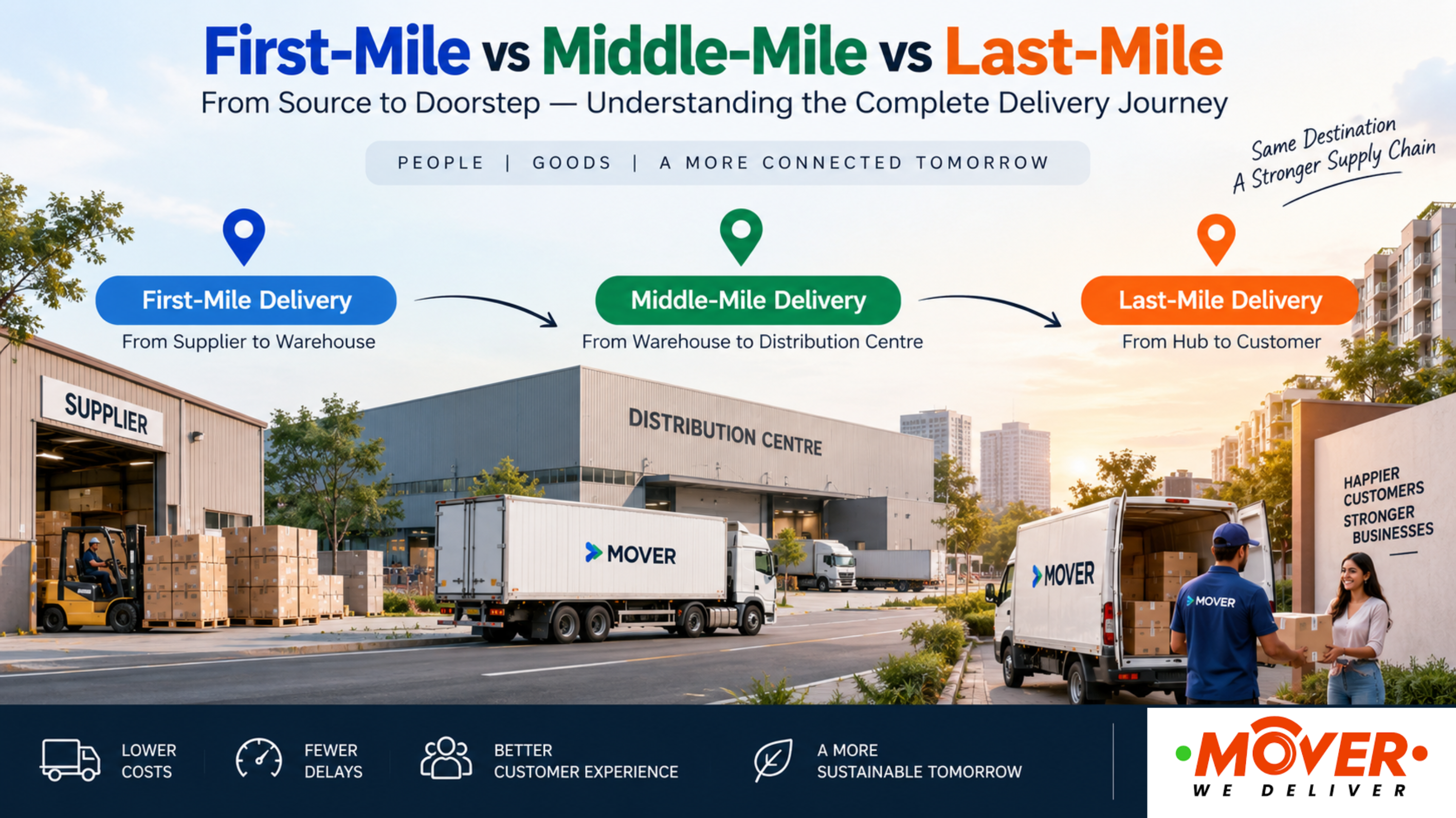
From subsidies on electric scooters to proposed restrictions on petrol two-wheelers, the policy outlines several major changes that could reshape how people commute in the city. It also aligns with broader goals like improving last-mile delivery efficiency, where EVs are increasingly being used in systems like same day delivery in India.
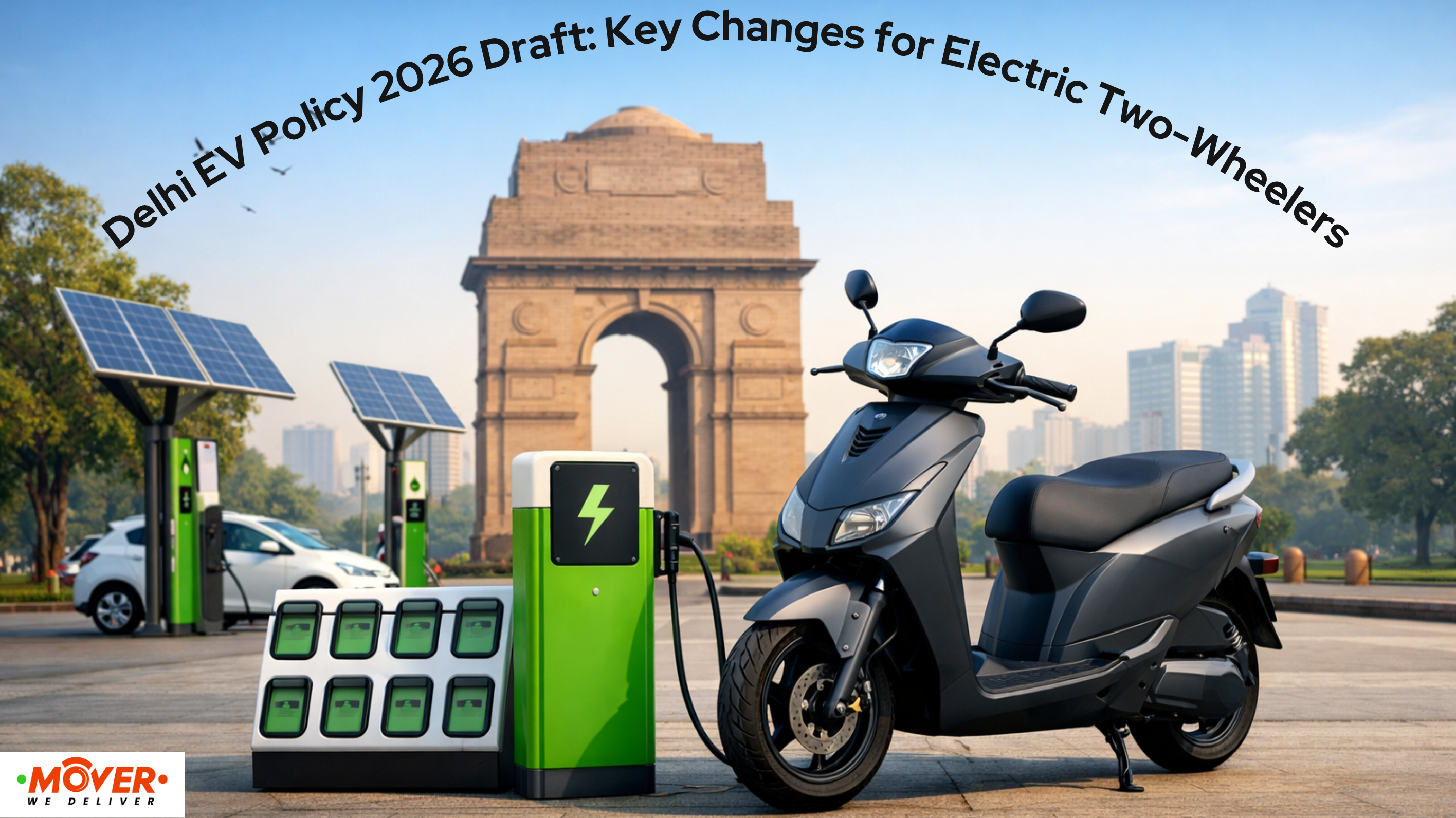
Delhi EV Policy 2026 Draft electric scooter charging India Gate Delhi. In this guide, we break down the Delhi EV policy 2026 key changes specifically for electric two-wheelers, including eligibility, subsidies, and what it means for everyday users.
Delhi EV Policy 2026 Draft – Quick Overview
|
Feature |
Details |
Impact on Two-Wheelers |
|
Subsidy |
₹10,000/kWh (Max ₹30,000 in Year 1) |
Reduces upfront cost |
|
Eligibility |
Price cap ₹2.25 lakh |
Focus on affordable EVs |
|
Scrapping Incentive |
₹10,000 for old bikes |
Encourages upgrade to EV |
|
Registration Rule |
Only EVs allowed from 2028 |
Petrol bikes phased out |
|
Tax Benefits |
100% road tax exemption |
Lower ownership cost |
|
Charging Infra |
Expansion + battery swapping |
Easier daily usage |
Key Changes in Delhi EV Policy 2026 for Two-Wheelers
The Delhi EV Policy 2026 Draft clearly focuses on accelerating electric two-wheeler adoption through structured incentives and regulations.
1. Strong Push Toward Electrification
The Delhi EV Policy 2026 Draft focuses heavily on electrifying two-wheelers, which make up nearly 67% of total vehicles in the city. By combining incentives, restrictions, and infrastructure development, the policy aims to significantly reduce emissions and accelerate EV adoption among daily commuters and delivery users.
2. Time-Bound Incentive Structure
The policy introduces a declining subsidy model over three years to encourage early adoption. Higher incentives in the initial phase motivate buyers to switch quickly, while gradually reducing benefits ensures long-term sustainability without heavy dependence on government subsidies.
3. Strict Regulatory Framework
Unlike previous policies, the 2026 draft includes stricter rules, such as registration restrictions on petrol vehicles. These regulatory measures ensure that EV adoption is not just optional but becomes a necessary shift for future vehicle buyers in Delhi.
Petrol Two-Wheeler Ban Proposal
1. Registration Restriction from 2028
The policy proposes that from 1 April 2028, only electric two-wheelers will be allowed for new registrations in Delhi. This move directly targets petrol bikes and creates a clear transition timeline toward electric mobility in the two-wheeler segment.
2. Gradual Phase-Out Strategy
Instead of an immediate ban, the policy allows a phased transition, giving consumers and manufacturers time to adapt. This ensures smoother adoption while minimising disruption in the existing automotive and logistics ecosystem.
3. Impact on Daily Commuters & Delivery Sector
This change will significantly affect delivery partners and daily riders, pushing them toward EV adoption. Businesses involved in last-mile delivery will also need to adapt quickly, especially those operating in high-demand systems.
Electric Two-Wheeler Subsidy Delhi 2026
1. High Initial Subsidy for Early Buyers
The policy offers ₹10,000 per kWh (up to ₹30,000) in the first year to encourage early adoption. This reduces the upfront cost of electric scooters and makes them more accessible to a larger audience.
2. Declining Incentive Model
Subsidies decrease in the second and third years, dropping to ₹20,000 and ₹10,000, respectively. This approach creates urgency among buyers to switch early while maintaining long-term fiscal balance.
3. Focus on Affordable EV Adoption
The subsidy structure is designed to support mass adoption rather than premium segments. It ensures that everyday users, including delivery riders and commuters, can benefit from lower entry costs.
Price Eligibility Criteria
1. Cap on Ex-Factory Price
Under the Delhi EV policy 2026, eligibility two wheelers, only electric two-wheelers with an ex-factory price of up to ₹2.25 lakh qualify for subsidies. This cap ensures that government incentives are directed toward affordable models rather than premium electric bikes, making the policy more inclusive for the majority of buyers.
2. Encourages Budget-Friendly EV Adoption
By limiting eligibility to mid-range pricing, the policy promotes the growth of affordable electric scooters and bikes. This makes EVs more accessible to daily commuters and middle-income users, helping accelerate mass adoption instead of restricting benefits to a niche premium segment.
3. Supports High-Usage Segments Like Delivery
This pricing strategy directly benefits delivery partners and gig workers who depend on cost-effective vehicles. Affordable EVs reduce upfront investment and running costs, making them ideal for high-usage applications such as last-mile logistics and systems.
Scrapping Incentives for Old Bikes
1. Additional ₹10,000 Scrapping Benefit
Under the EV subsidy Delhi 2026 for bikes, buyers can receive an additional ₹10,000 incentive when scrapping older BS-IV or below two-wheelers. This benefit is provided along with purchase incentives, making the overall cost of switching to an electric two-wheeler more affordable and attractive for users.
2. Time-Bound Eligibility for Incentive
To qualify for the scrapping incentive, the new electric two-wheeler must be purchased within six months of receiving the Certificate of Deposit (CoD) from an authorised scrapping facility. This condition ensures faster decision-making and prevents delays in transitioning to cleaner vehicles.
3. Reduction of High-Emission Vehicles
This initiative helps remove older, polluting two-wheelers from Delhi’s roads, directly contributing to better air quality. By encouraging users to replace outdated vehicles with electric alternatives, the policy supports long-term environmental goals while boosting EV adoption across high-usage commuter segments.
Tax Benefits & Registration Rules
1. 100% Road Tax and Registration Fee Exemption
As per the Delhi EV policy 2026, new rules, electric two-wheelers registered in Delhi are eligible for complete exemption from road tax and registration fees. This significantly reduces the initial cost of ownership, making EVs more financially attractive compared to petrol-powered alternatives.
2. Lower Total Cost of Ownership
With no road tax and reduced running costs, electric two-wheelers become more economical over time. Users benefit from savings on fuel, maintenance, and taxes, making EVs a practical long-term investment, especially for frequent riders and delivery professionals.
3. Boost to Faster EV Adoption
These financial benefits, combined with purchase and scrapping incentives, create a strong economic case for switching to EVs. Lower upfront and long-term costs encourage more users to adopt electric scooters, accelerating the transition toward cleaner mobility in Delhi.
Delhi EV Policy 2026 for Electric Scooters – What It Means
1. Lower Cost of Ownership for Users
The Delhi EV policy 2026 makes electric scooters more affordable through subsidies, tax exemptions, and reduced running costs. Users can save significantly on fuel and maintenance, making EVs a cost-effective option for daily commuting in Delhi.
2. Shift from Optional to Necessary Adoption
With the proposed restriction on petrol two-wheelers, electric scooters will no longer be an alternative but a necessity. This policy pushes users to transition early, ensuring they are prepared for future regulations and avoid last-minute adjustments.
3. Better Support Infrastructure for Usage
The policy also focuses on expanding charging and battery swapping infrastructure. This improves convenience for users, especially those relying on scooters for daily travel or delivery work, reducing range anxiety and making EV usage more practical.
Impact on EV Adoption in Delhi (Two-Wheeler Focus)
1. Faster Adoption Due to Incentives and Rules
The policy will significantly boost EV adoption among Delhi two-wheeler riders by combining financial incentives with strict regulations. Users are encouraged to switch early due to subsidies, while future restrictions ensure that EV adoption continues to grow rapidly.
2. Major Shift in Market Dynamics
The two-wheeler market in Delhi will shift heavily toward electric vehicles, increasing competition among manufacturers. This will lead to better pricing, improved technology, and more options for consumers across different budget segments.
3. Strong Impact on Business and Logistics Sector
Businesses, especially in delivery and logistics, will be directly affected. Companies will need to adopt EV fleets to stay compliant and reduce operational costs, making electric two-wheelers a key part of urban logistics systems.
4. Challenges in Implementation
1. Limited Charging Infrastructure Availability
One of the biggest challenges is the availability of sufficient charging stations across the city. While the policy promotes infrastructure growth, gaps still exist, especially in residential and high-density areas, which may affect user convenience.
2. Upfront Cost Barriers for Buyers
Even with subsidies, the initial cost of electric scooters can still be a concern for some users. Budget constraints may delay adoption, particularly for lower-income groups who rely heavily on two-wheelers for daily commuting. Infrastructure planning must also consider factors like urban traffic impact on delivery, which affects EV efficiency.
3. Consumer Mindset and Adoption Resistance
Shifting from petrol to electric requires a change in mindset. Concerns about performance, charging time, and reliability may slow adoption, making awareness and trust-building essential for the successful implementation of the policy.
Who Should Benefit Most?
These are some of the major Delhi EV policy benefits for two wheelers, especially for daily commuters and delivery users.
1. Daily Commuters in Delhi
Daily commuters will benefit the most from lower running costs, zero road tax, and reduced fuel dependency. Electric scooters have become a more affordable and practical option for everyday travel, especially with increasing petrol prices and improved charging infrastructure across the city.
2. Delivery Partners & Gig Workers
Delivery partners will see significant savings due to lower fuel and maintenance costs. With high daily usage, electric two-wheelers improve profitability. This shift is especially important for last-mile delivery systems where efficiency, cost control, and sustainability play a crucial role.
3. Businesses & Fleet Operators
Businesses operating delivery fleets will benefit from reduced operational costs and policy compliance. The transition to EVs will help companies improve efficiency, meet regulatory requirements, and align with sustainable logistics practices, especially in high-demand urban delivery ecosystems.
Conclusion
The Delhi EV Policy 2026 Draft marks a major step toward transforming urban mobility, especially in the two-wheeler segment. With strong incentives, strict regulations, and a clear roadmap, the policy is designed to accelerate EV adoption and reduce pollution levels in the city.
For individuals, this means lower costs and a shift toward cleaner transportation. For businesses and delivery sectors, it signals a necessary transition toward electric fleets to stay compliant and competitive. The long-term impact of this policy will reshape how people and goods move across Delhi.
As EV adoption grows, logistics systems will also evolve. Platforms offering online truck booking are already adapting to electric fleets for faster and more efficient operations. A strong network of delivery professionals, including every MOVER driver partner, plays a key role in enabling this transition. Businesses can further streamline operations by choosing to download truck booking app solutions that improve visibility and control.
Overall, the policy sets the foundation for a cleaner, more efficient, and future-ready mobility ecosystem in Delhi.
FAQs on Delhi EV Draft 2026
1. What subsidy is offered for electric two-wheelers in Delhi 2026?
The policy offers up to ₹30,000 in the first year based on battery capacity, with incentives decreasing in later years.
2. What is the price eligibility for EV subsidy in Delhi?
Electric two-wheelers must have an ex-factory price below ₹2.25 lakh to qualify for subsidies.
3. Is there a ban on petrol bikes in Delhi EV Policy 2026?
Yes, the draft proposes that from April 2028, only electric two-wheelers will be allowed for new registrations.
4. What is the scrapping incentive under Delhi EV Policy 2026?
A ₹10,000 incentive is provided for scrapping older BS-IV or below two-wheelers when purchasing a new EV.
5. Are electric scooters tax-free in Delhi?
Yes, electric two-wheelers are eligible for 100% exemption from road tax and registration fees.
6. Who is eligible for EV subsidy in Delhi?
Delhi residents purchasing eligible electric vehicles registered in Delhi can apply for subsidies through direct benefit transfer.
7. How will Delhi EV Policy 2026 impact delivery partners?
Delivery partners will benefit from lower fuel costs and improved efficiency, making EVs more cost-effective for daily operations.
8. What is the timeline for Delhi EV Policy 2026 implementation?
The policy will be applicable from the date of notification and is expected to remain valid until 2030.
9. How does the policy support EV charging infrastructure?
The government plans to expand charging and battery swapping infrastructure through coordinated planning and digital systems.
10. Will EV adoption increase in Delhi after this policy?
Yes, the combination of incentives and regulations is expected to significantly increase EV adoption, especially in the two-wheeler segment.
11. What are the challenges in implementing the policy?
Key challenges include charging infrastructure gaps, cost barriers, and slow consumer adoption due to mindset shifts.