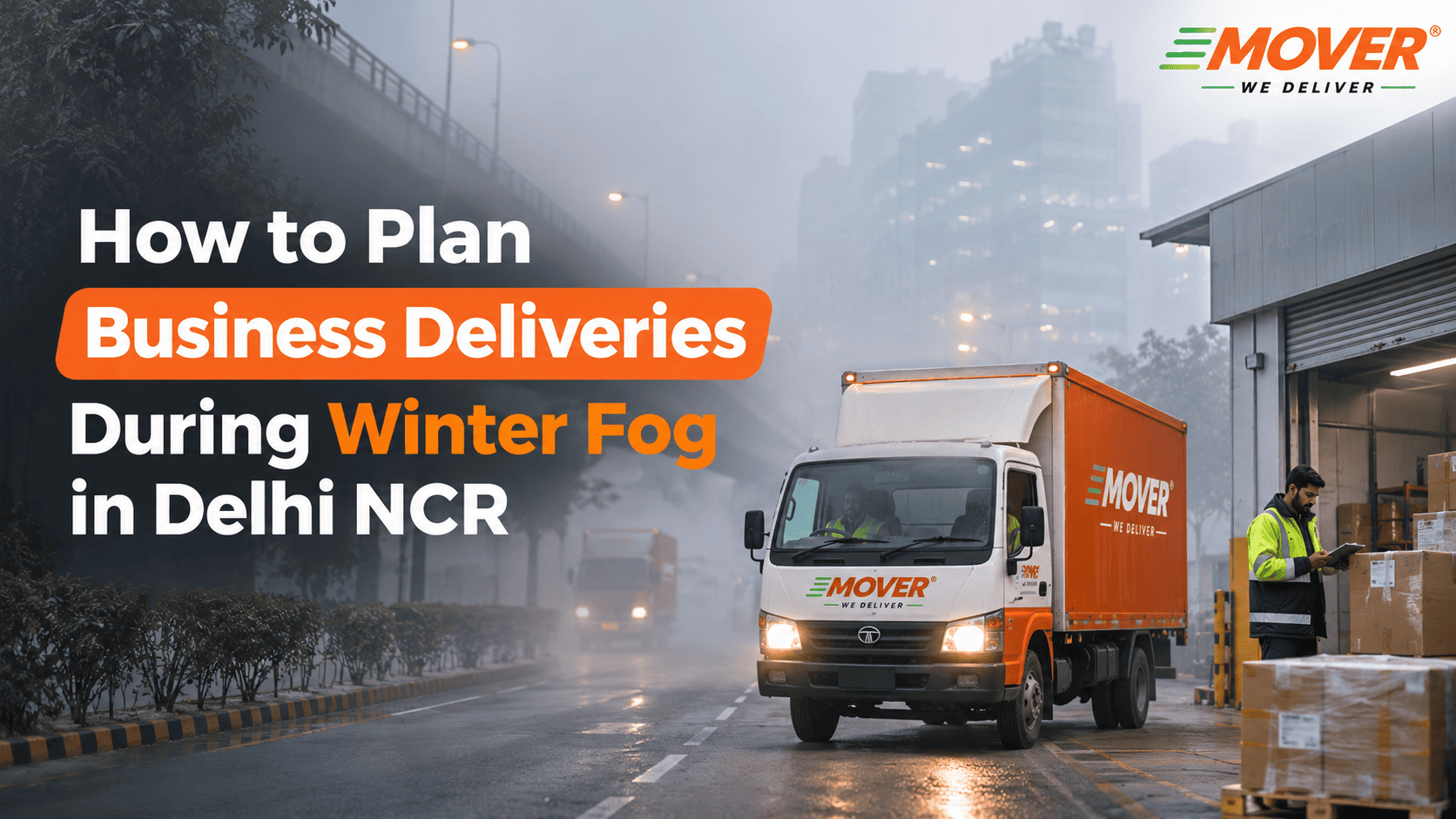

When you arrange a business delivery, you normally check the order, book the vehicle and tell the customer when to expect the goods. But during winter in Delhi NCR, you also need to leave some room for a change in that plan. The goods may be ready at your warehouse, but fog can delay the vehicle on its way to the customer.
Now, the receiving team may still have to close its unloading area at the usual time. So even when the journey is within NCR, you need to know what will happen if the truck reaches after that time.
This is one of the winter logistics challenges that retailers, suppliers and distributors need to plan for. Let’s discuss how you can arrange the delivery beforehand and what you can do if the timings change.
Stock Priorities and Delivery Time Slots
First things first, ask the customer when their team can actually receive and unload your goods. A shop may remain open until evening, but the person who handles incoming stock may leave much earlier. You need to know the last time they can accept the delivery, especially if unloading takes some time.
Also check whether the vehicle needs a booked appointment or permission to enter the premises. If the receiving point works with fixed slots, confirm the slot before arranging the pickup. Our guide to appointment-based delivery for businesses explains the arrangements to check when a facility receives goods this way.
Once you know the receiving hours, discuss these three things with the people involved:
-
First, decide which goods the customer needs that day. A retailer may be waiting for stock that has already sold out, while some of the other items can arrive later. Ask them about this before you decide whether a changed delivery time will work for the order.
-
Then ask whether another receiving window is possible. If the truck misses the original slot, can their team accept it later that day? Find out whom you should speak to if the timing has to change, so that you have the right person’s number when you need it.
-
Also confirm when your own team will finish preparing the goods. Packing, counting and dispatch papers should be ready for the agreed pickup. If packing is running late, tell the transport team about that separately instead of letting everyone assume that the delay is because of fog.
For regular deliveries, have this conversation before the customer runs short of stock. If they know they will need an order the next morning, you can discuss whether an earlier delivery on a suitable day would help. This gives both teams time to consider another arrangement, rather than trying to find one after the stock is already needed.
Delhi NCR Fog Forecasts and Truck Dispatch Planning
Before you confirm the pickup, check the IMD forecast for the relevant areas. Look at the pickup location, the destination and the areas the vehicle needs to pass through. Conditions near your office may be different from those on another part of the journey.
Also have a look at when the information was issued and which date or period it covers, wherever those details are shown. If the pickup has been delayed, check the latest information again. A screenshot shared earlier may no longer be the update you need.
Then speak to the transport provider about the planned journey. Share the receiver’s latest unloading time with them and ask whether the pickup plan still looks workable. They can consider the forecast along with what their team is reporting about the journey.
It is easy to think that sending the truck earlier will solve the problem because there may be less traffic. But an early departure does not automatically mean better visibility. In the same way, moving the pickup to a later hour does not guarantee that the fog will get cleared. The timing needs to make sense for that particular journey.
If a later pickup is being considered, check whether the customer can still receive the goods after it. Moving the pickup without checking the receiving hours can leave you with a truck that reaches after the unloading team has gone home.
Sometimes you may be able to keep the booking as planned. Sometimes you may need to change both the pickup and the receiving time, or postpone the movement. Discuss this with the provider and the customer before sending the goods. The forecast helps you plan, but it cannot guarantee clear visibility along the road or a particular arrival time.
Meanwhile, your team can keep the load and paperwork ready for pickup. If the journey needs to wait because visibility is poor, discuss the changed timing instead of asking the driver to make up the lost time on the road.
Customer Updates During Fog-Related Delivery Delays
Once you know that the delivery may miss its agreed time, contact the receiving person. Do this while they still have time to check whether another arrangement is possible.
First, get an update from the transport provider’s dispatch team or tracking channel, where one is available. Find out the last confirmed status and whether they can give a revised arrival estimate. You do not need to keep calling the driver while the vehicle is moving.
Then explain the change to the receiver. Tell them what the provider has confirmed, when the vehicle is now expected if an estimate is available, and when you will update them again. If the provider cannot yet give a useful arrival estimate, say that clearly and agree on the next update.
Let’s just say you are sending cartons to a receiving point in Noida, and their unloading team normally accepts deliveries until 1 pm. The provider now expects the truck to arrive around 2 pm. These times are only an example, but they show why the next conversation matters.
If the receiving person agrees to accept the truck at 2 pm, confirm that arrangement with them and inform the transport team also. If an appointment has to be changed through a booking system, get that change confirmed too.
But if the receiving team says they cannot accept the goods that afternoon, you need to discuss the next step with the provider. A revised arrival estimate alone does not mean that the customer has agreed to receive the delivery at that time.
Also check whether the vehicle has other deliveries planned after this one. The people waiting at those stops may need an update as well. You can deal with those changes sooner if you check the remaining commitments when the first delay becomes clear.
Missed Deliveries: Waiting Charges, Return Trips and Rescheduling
If the receiver cannot accept the goods that day, speak to both the receiving team and the transport provider before making another arrangement. You need to know what will happen to the goods and what work the provider is being asked to do next.
And depending on what they can offer and what everyone agrees to, then the plan may involve waiting, returning the goods or just arranging another delivery date. Ask about the practical details before agreeing:
-
If the vehicle will wait, find out where it can wait and whether waiting charges will apply. Also check whether there is a confirmed chance of unloading later, so that the vehicle is not left waiting without anyone knowing what happens next.
-
If the goods will return, confirm where they are going and who will receive them there. Ask about the return journey and any later delivery charge before you approve that movement.
-
If the delivery is being moved to another day, agree on where the goods will remain until then and who will be responsible for them. Do not assume that the driver or receiving facility can keep the stock overnight.
Once you have decided what to do, ask the provider to confirm the changed plan and the charges in writing. If the truck is going to wait or bring the goods back, you should know how that affects the amount you will pay. Our truck booking checklist covers the wider details to clarify when arranging a truck.
Before the next attempt, confirm the receiving date and time again. Check that the correct goods are ready and that the transport team has the updated booking details. If the changed movement affects any required shipment document, get that checked before the vehicle leaves.
Once the delivery is completed, make a short note of what happened. Record the original slot, the delay, the arrangement that was finally accepted and any extra cost. If you deliver to the same customer regularly, these details can help you have a more useful conversation when planning the next winter delivery.
If you are arranging business deliveries with MOVER, share the pickup and delivery locations, the load details and the receiver’s available timings. Also explain how much flexibility you have if the timing changes, and ask the team to confirm what arrangement can be offered for your delivery.
FAQs About Winter Delivery Planning in Delhi NCR
1. Is an early-morning pickup always better during winter fog?
No, you should not choose an early-morning pickup only because you expect less traffic. You also need to check the fog forecast and speak to the transport team about the journey. Then agree on a pickup time that works with the receiver’s available hours also.
2. How much extra time should I allow for a delivery in fog?
The extra time you need to allow will depend on the journey and the conditions that day. Ask the transport provider what they expect for your booking, and check how much flexibility the receiver has. You can then decide whether the agreed delivery time needs to change.
3. Will booking a closed-body truck prevent fog-related delays?
A closed-body truck covers the goods you are transporting, but the driver still has to deal with fog on the road. So the delivery can be delayed even when the load is covered. Choose the truck body according to the goods you are sending.
4. Will I have to pay extra if fog delays or reschedules my delivery?
Extra charges may apply if the truck has to wait, bring the goods back or make another delivery attempt. Check what your booking says about these charges, and ask the transport team to confirm the amount before you agree to the changed plan.
5. Can I send urgent stock separately from the rest of the order?
You can send urgent stock separately if the transport team can arrange it and the customer can receive part of the order. Also ask about the extra cost before booking another vehicle. Also remember that this vehicle can face fog delays too, so make sure to discuss the expected timing before promising an earlier delivery.
6. Who should update the customer when a delivery is delayed?
The person handling the order or dispatch should keep the customer updated about the delay. They can speak to the transport team first and then explain what has changed. Also give the customer one contact number, so that they know whom to call if they need another update.