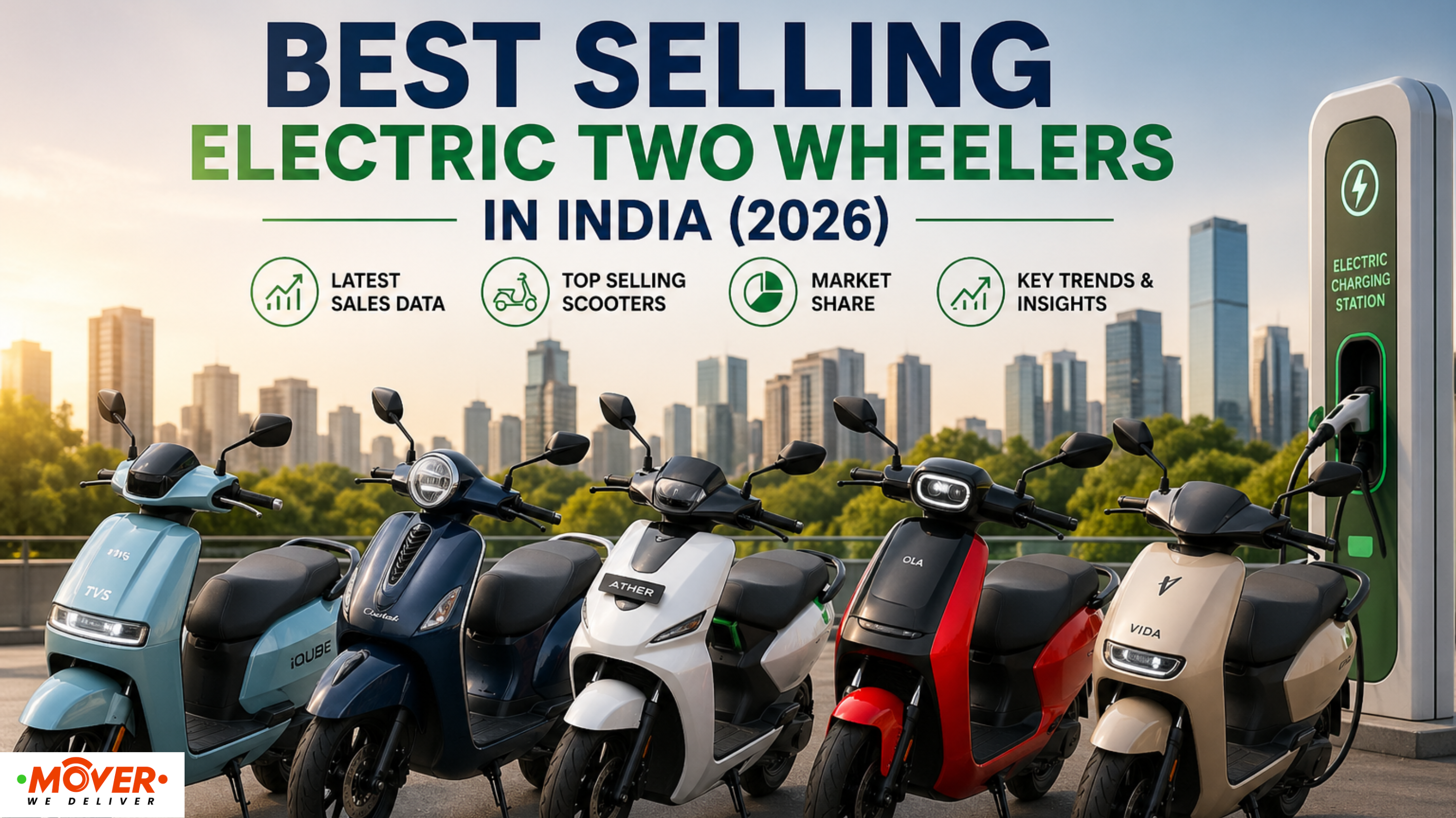

India’s electric mobility revolution is now being led by two-wheelers, and the numbers clearly prove it. The best-selling electric two-wheelers in India are driving the majority of EV adoption, thanks to affordability, urban demand, and lower running costs. In fact, electric two-wheelers have become the backbone of India’s EV ecosystem, consistently dominating monthly sales charts.
According to recent industry data, electric two-wheeler sales in India crossed 1.1 lakh units in February 2026 alone, reflecting a strong 45%+ year-on-year growth. At the same time, the market has seen a major leadership shift, with TVS Motor emerging as the top-selling EV brand, overtaking early leader Ola Electric. This growth is also linked to sectors like Same Day Delivery Services in India, where electric two-wheelers are widely used.
This growth is part of the broader electric vehicle industry in India, which is expanding rapidly across segments. This guide focuses on India’s best-selling electric two-wheelers in 2026, combining the latest sales data, top brands, scooter dominance, and key market trends into one clear, data-backed overview. From TVS iQube to Bajaj Chetak and Ather scooters, we break down which models are leading the market and why.
Top Selling Electric Scooters in India (2026)
India’s EV market in 2026 is clearly dominated by scooters, with a few key models consistently leading monthly sales charts. The top selling electric scooters in India are driven by strong brand trust, practical range, and urban usability. From established players like TVS and Bajaj to tech-focused brands like Ather and Ola, competition is intense, with rankings often shifting based on demand and production.
1. TVS iQube
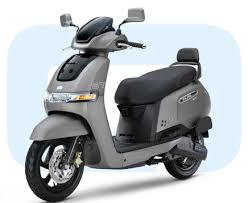
The TVS iQube has emerged as the best-selling electric scooter in India in 2026, overtaking competitors with a consistent monthly sales performance. Its success is driven by multiple battery variants, strong after-sales support, and a focus on reliability and comfort.
TVS has positioned the iQube as a practical urban scooter, making it a preferred choice for daily commuters. Its growing dealership network and brand trust have helped it capture a leading share in the electric two-wheeler market.
-
Price: ₹1.15 – ₹1.40 lakh
-
Battery: 2.2–5.1 kWh variants
-
Range: 100–145 km/charge
-
Top Speed: 78 km/h
-
Charging Time: 4–5 hours
-
Best For: Daily commuting
-
Why It Stands Out: Reliable performance with strong service network
-
Position: Market leader in 2026
-
Key Strength: Reliable performance and strong service network
-
Battery Options: Multiple variants for different usage needs
-
Best For: Daily urban commuting
-
Why It Sells: Consistent supply and high brand trust
2. Bajaj Chetak
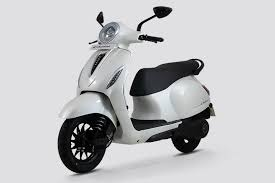
The Bajaj Chetak continues to be one of the most popular EV scooters in India, known for its premium metal body and durable build quality. Unlike many plastic-body scooters, Chetak appeals to buyers looking for long-term reliability and brand legacy.
It consistently ranks among the top-selling models due to Bajaj’s strong distribution network and steady demand in urban markets. Its balanced performance and design make it a reliable option in the competitive EV segment.
-
Price: ₹1.15 – ₹1.35 lakh
-
Battery: 3 kWh
-
Range: 100–125 km/charge
-
Top Speed: 73 km/h
-
Charging Time: 4 hours
-
Best For: Premium urban users
-
Why It Stands Out: Metal body and strong brand trust
-
Position: Top 3 best-selling electric scooter
-
Key Strength: Premium metal build and durability
-
Battery Type: Fixed battery system
-
Best For: Long-term ownership and brand reliability
-
Why It Sells: Strong brand legacy and urban demand
3. Ather 450X / Rizta
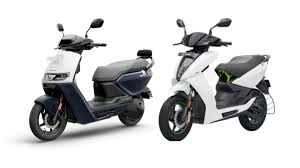
Ather Energy remains a strong player with its Ather 450X and Rizta, targeting both performance-focused users and family buyers. The 450X is known for its sporty performance, smart dashboard, and advanced features, while the Rizta focuses on comfort and practicality for everyday use. Ather’s emphasis on technology, software updates, and charging infrastructure has helped it maintain a strong presence in the premium EV scooter segment.
-
Price: ₹1.40 – ₹1.60 lakh
-
Battery: 3.7 kWh
-
Range: 110–150 km/charge
-
Top Speed: 90 km/h
-
Charging Time: 5 hours
-
Best For: Tech-savvy users
-
Why It Stands Out: Advanced dashboard and performance
-
Position: Leading premium EV scooter
-
Key Strength: Performance + advanced technology
-
Battery Range: High-performance battery with smart features
-
Best For: Tech-savvy and family users (Rizta)
-
Why It Sells: Strong product innovation and user experience
4. Ola S1 Series
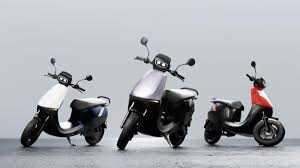
The Ola S1 series remains one of the highest-selling electric scooters in India in terms of overall volume and market share. Known for its feature-rich offerings, long range, and aggressive pricing, Ola quickly gained early market dominance.
However, sales have shown fluctuations in recent months due to increased competition. Despite this, the brand continues to be a major player, especially among tech-savvy buyers looking for high-performance electric scooters.
-
Price: ₹1.30 – ₹1.50 lakh
-
Battery: 4 kWh
-
Range: 120–180 km/charge
-
Top Speed: 120 km/h
-
Charging Time: 6 hours
-
Best For: Performance-focused users
-
Why It Stands Out: High range with feature-rich design
-
Position: High market share player
-
Key Strength: Feature-rich and long range
-
Battery Range: Competitive range across variants
-
Best For: Performance-focused and tech users
-
Why It Sells: Aggressive pricing and strong brand recall
5. Vida V1
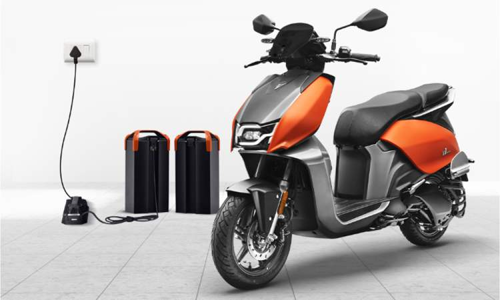
The Vida V1, backed by Hero MotoCorp, is gradually gaining traction in the electric scooter market. Its key differentiator is the removable battery system, which offers flexibility for users without easy access to charging infrastructure.
With Hero’s extensive distribution network and growing focus on electric mobility, Vida is strengthening its position among the top EV scooter brands in India, particularly in urban and semi-urban markets.
-
Price: ₹1.20 – ₹1.40 lakh
-
Battery: 3.4 kWh
-
Range: 110–140 km/charge
-
Top Speed: 80 km/h
-
Charging Time: 5 hours
-
Best For: Urban users without fixed charging
-
Why It Stands Out: Removable battery system
-
Position: Emerging EV player
-
Key Strength: Removable battery system
-
Battery Type: Swappable/portable battery
-
Best For: Users with limited charging access
-
Why It Sells: Backed by Hero and practical usability
Other Notable Electric Scooters in India
Apart from the top models, several other scooters contribute significantly to electric two wheeler sales in India 2026. These options cater to different budgets and use cases, making them an important part of the growing EV two wheeler market share India.
6. TVS X
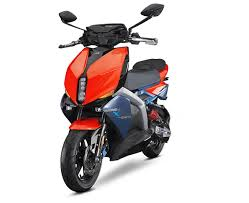
The TVS X is a premium electric scooter designed for high performance and advanced riding experience. It targets users looking for cutting-edge technology, powerful acceleration, and a modern design. Unlike mass-market scooters, it focuses on performance and innovation, making it a niche but important contributor to the premium segment of the top EV scooter brands in India 2026.
-
Price: ₹2.50 lakh (approx.)
-
Battery: 4.4 kWh
-
Range: 140 km/charge
-
Top Speed: 105 km/h
-
Charging Time: 4–5 hours
-
Best For: Performance enthusiasts
-
Why It Stands Out: Premium design with high-end performance
-
Position: Premium electric scooter
-
Key Strength: Performance and advanced technology
-
Battery Type: High-performance fixed battery
-
Best For: Tech-savvy and performance users
-
Why It Sells: Innovation and premium positioning
7. Ampere Nexus
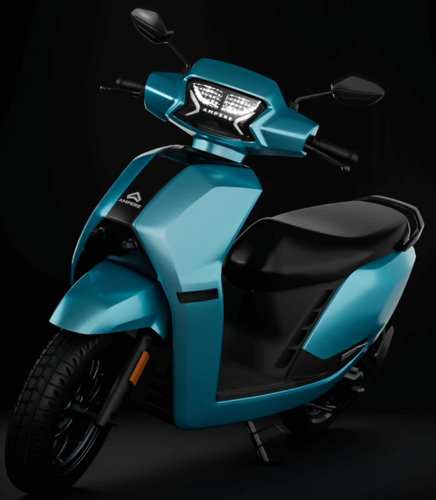
The Ampere Nexus is gaining popularity as a practical and affordable electric scooter. It is designed for everyday urban commuting, offering a balance between cost and usability. Its growing demand reflects how budget-friendly models are driving electric two wheeler sales in India in 2026, especially among first-time EV buyers and cost-conscious users.
-
Price: ₹1.10 – ₹1.20 lakh
-
Battery: 3 kWh
-
Range: 100 km/charge
-
Top Speed: 65 km/h
-
Charging Time: 4–5 hours
-
Best For: Daily commuting
-
Why It Stands Out: Affordable and practical
-
Position: Budget-friendly commuter
-
Key Strength: Affordability and practicality
-
Battery Type: Fixed battery
-
Best For: Daily city commuting
-
Why It Sells: Cost efficiency
8. Okinawa Praise Pro
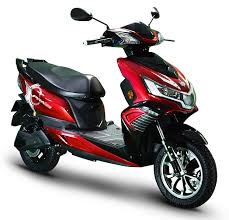
The Okinawa Praise Pro is one of the early entrants in India’s EV market and continues to serve the budget segment. It is suitable for short-distance commuting and basic daily usage. Its affordability and simple design make it relevant for users transitioning from petrol scooters, contributing steadily to the expanding EV two wheeler market share in India.
-
Price: ₹90,000 – ₹1 lakh
-
Battery: 2 kWh
-
Range: 80–90 km/charge
-
Top Speed: 56 km/h
-
Charging Time: 4–5 hours
-
Best For: Short-distance travel
-
Why It Stands Out: Entry-level affordability
-
Position: Budget EV segment
-
Key Strength: Affordable mobility
-
Battery Type: Fixed battery
-
Best For: Short-distance commuting
-
Why It Sells: Low entry price
9. Hero Electric Optima
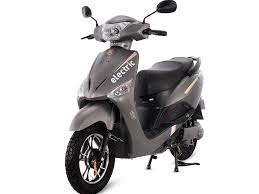
The Hero Electric Optima is a popular entry-level electric scooter known for its simplicity and ease of use. It appeals to users who want a low-cost mobility solution for daily travel. Its strong presence in tier-2 and tier-3 cities supports mass adoption and plays a key role in increasing overall electric scooter sales India.
-
Price: ₹85,000 – ₹1 lakh
-
Battery: 2 kWh
-
Range: 80–100 km/charge
-
Top Speed: 45–50 km/h
-
Charging Time: 4–5 hours
-
Best For: First-time EV users
-
Why It Stands Out: Simple and easy to use
-
Position: Entry-level EV scooter
-
Key Strength: Simplicity and accessibility
-
Battery Type: Fixed battery
-
Best For: First-time EV users
-
Why It Sells: Easy usability
10. Bounce Infinity E1
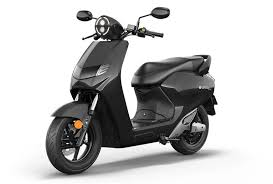
The Bounce Infinity E1 stands out with its unique battery subscription model, allowing users to reduce upfront costs. This flexibility makes it an attractive option for budget-conscious buyers and gig workers. It is particularly relevant in sectors like Same Day Delivery Services in India, where cost efficiency and flexibility are crucial for operations.
-
Price: ₹90,000 – ₹1.10 lakh
-
Battery: Removable
-
Range: 85–100 km/charge
-
Top Speed: 65 km/h
-
Charging Time: 4 hours
-
Best For: Delivery and gig users
-
Why It Stands Out: Battery subscription model
-
Position: Flexible EV solution
-
Key Strength: Battery subscription model
-
Battery Type: Removable battery
-
Best For: Gig workers and delivery use
-
Why It Sells: Lower upfront cost
11. Simple One
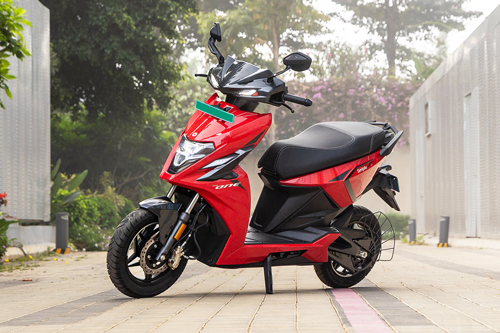
The Simple One is a performance-oriented electric scooter known for its high claimed range and advanced features. It targets users who want long-distance capability along with modern technology. Its positioning reflects the growing demand for high-performance EVs, making it a notable player among emerging models in the top EV scooter brands in India 2026.
-
Price: ₹1.45 lakh (approx.)
-
Battery: 5 kWh
-
Range: 200 km/charge
-
Top Speed: 105 km/h
-
Charging Time: 5–6 hours
-
Best For: Long-distance riders
-
Why It Stands Out: One of the highest range scooters
-
Position: Performance-focused EV
-
Key Strength: High range and power
-
Battery Type: High-capacity battery
-
Best For: Long-distance and performance users
-
Why It Sells: Strong range offering
12. Kinetic Green Zing
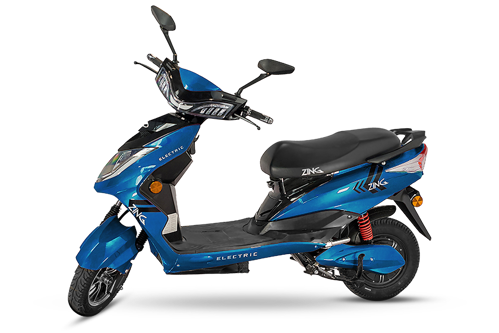
The Kinetic Green Zing is a lightweight and easy-to-handle electric scooter, ideal for short city rides. It is especially popular among students and new riders due to its simplicity and compact design. Its role in urban mobility highlights how smaller scooters are helping expand EV adoption trends in India.
-
Price: ₹80,000 – ₹90,000
-
Battery: 1.7 kWh
-
Range: 70–80 km/charge
-
Top Speed: 45 km/h
-
Charging Time: 3–4 hours
-
Best For: Short city rides
-
Why It Stands Out: Lightweight and easy handling
-
Position: Lightweight city scooter
-
Key Strength: Easy handling
-
Battery Type: Fixed battery
-
Best For: Short urban rides
-
Why It Sells: Convenience and simplicity
13. Pure EV EPluto 7G
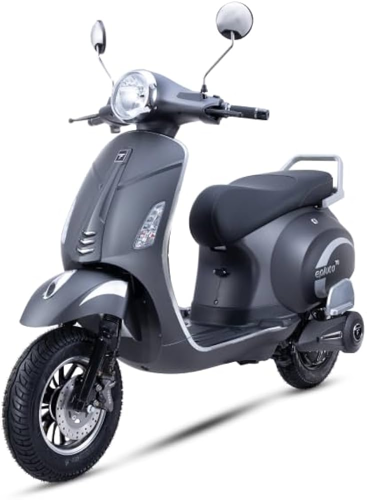
The Pure EV EPluto 7G is a budget-friendly electric scooter offering a decent balance of range and affordability. It caters to users looking for economical alternatives to petrol scooters. Its steady demand shows how entry-level models continue to support the growth of electric two wheeler sales in India in 2026 across different customer segments.
-
Price: ₹90,000 – ₹1 lakh
-
Battery: 2.5 kWh
-
Range: 90–120 km/charge
-
Top Speed: 60 km/h
-
Charging Time: 4 hours
-
Best For: Budget-conscious users
-
Why It Stands Out: Balanced price and range
-
Position: Budget EV scooter
-
Key Strength: Affordable pricing
-
Battery Type: Fixed battery
-
Best For: Cost-conscious users
-
Why It Sells: Value for money
Top Electric Scooters in India 2026 – Comparison Table
|
Scooter |
Price (₹) |
Segment |
Range (km) |
Top Speed (km/h) |
Battery Type |
Best For |
Market Position |
|
TVS iQube |
1.15 – 1.40 L |
Mass |
100–145 |
78 |
Fixed |
Daily commuting |
Market Leader |
|
Bajaj Chetak |
1.15 – 1.35 L |
Premium |
100–125 |
73 |
Fixed |
Urban users |
Top Seller |
|
Ather 450X |
1.40 – 1.60 L |
Premium |
110–150 |
90 |
Fixed |
Tech users |
Premium Leader |
|
Ather Rizta |
1.25 – 1.45 L |
Family |
100–125 |
80 |
Fixed |
Family use |
Fast Growing |
|
Ola S1 Pro |
1.30 – 1.50 L |
Performance |
120–180 |
120 |
Fixed |
Power users |
High Volume |
|
Ola S1 X |
90K – 1.10 L |
Budget |
90–120 |
90 |
Fixed |
Entry users |
Mass Market |
|
Vida V1 |
1.20 – 1.40 L |
Practical |
110–140 |
80 |
Removable |
Urban users |
Growing Brand |
|
TVS X |
2.50 L |
Premium |
140 |
105 |
Fixed |
Enthusiasts |
Niche Premium |
|
Ampere Nexus |
1.10 – 1.20 L |
Budget |
100 |
65 |
Fixed |
Daily commute |
Value Segment |
|
Okinawa Praise Pro |
90K – 1.00 L |
Budget |
80–90 |
56 |
Fixed |
Short rides |
Early Player |
|
Hero Electric Optima |
85K – 1.00 L |
Entry |
80–100 |
50 |
Fixed |
First-time users |
Mass Adoption |
|
Bounce Infinity E1 |
90K – 1.10 L |
Flexible |
85–100 |
65 |
Removable |
Delivery use |
Unique Model |
|
Simple One |
1.45 L |
Performance |
200 |
105 |
Fixed |
Long-distance |
Emerging Player |
Electric Two Wheeler Sales in India 2026
1. Strong Sales Growth in 2026
Electric two wheeler sales in India 2026 continue to show strong momentum, with monthly volumes consistently crossing 1 lakh units. For example, February 2026 alone recorded over 1.1 lakh electric two-wheeler sales, reflecting robust demand in urban markets.
This growth highlights how electric scooters are becoming a mainstream choice for daily commuting due to affordability and lower operating costs. This rise in adoption is also helping businesses reduce logistics costs, especially in high-frequency delivery operations.
2. Dominance of Two-Wheeler Segment in EV Market
Electric two-wheelers account for the largest share of EV sales in India, contributing over 50–55% of total EV volumes. This dominance is driven by their suitability for short-distance travel, ease of charging, and cost efficiency. Compared to electric cars, two-wheelers have seen faster adoption, especially in cities where traffic conditions and daily usage patterns favour compact mobility solutions.
3. Annual Sales Trends and Market Expansion
In 2025, India recorded over 12.8 lakh electric two-wheeler sales, establishing a strong base for continued growth in 2026. The market has expanded steadily due to increasing product availability, improved battery technology, and wider consumer acceptance. This upward trend indicates a shift from early adoption to a more mature and competitive EV ecosystem.
4. Leadership Shift in Sales Rankings
The electric two-wheeler market has seen a major shift in leadership, with TVS Motor overtaking Ola Electric in recent sales rankings. While Ola continues to hold a significant market share, TVS has gained an edge through consistent supply, product reliability, and a strong dealership network. This shift reflects increasing competition among top EV scooter brands in India 2026.
5. Monthly Sales Fluctuations Across Brands
Despite overall growth, sales rankings frequently change month-to-month due to factors like production capacity, demand spikes, and new launches. Brands like TVS, Bajaj, Ather, and Ola regularly compete for top positions, making the market highly dynamic. These fluctuations highlight the evolving nature of the EV two wheeler market share India.
EV Two Wheeler Market Share India
These companies are also considered among the top EV brands in India, shaping the future of electric mobility. The EV two wheeler market share India is becoming increasingly competitive in 2026, with multiple brands competing closely for leadership. These brands also influence fleet decisions, especially when businesses compare vehicle types like SCV vs LCV vs HCV vehicles for different delivery needs.
1. TVS Motor Leading the Market
TVS Motor has emerged as the market leader in 2026, driven by the strong performance of the iQube series. Its consistent supply, wide dealership network, and focus on reliability have helped it gain a significant share of the EV two-wheeler market. TVS has successfully positioned itself as a trusted brand for practical, everyday electric mobility.
2. Ola Electric Maintaining High Market Share
Ola Electric continues to hold a large share of the market despite losing the top position. The Ola S1 series remains one of the highest-selling electric scooters in India, supported by strong brand recall and feature-rich offerings. However, increasing competition and operational challenges have led to fluctuations in its monthly sales performance.
3. Bajaj Auto Holding a Stable Position
Bajaj Auto has maintained a stable presence in the EV market with the Chetak. Its focus on build quality and brand legacy has ensured consistent demand. While it may not always lead in volume, Bajaj continues to capture a loyal customer base, especially in premium urban segments.
4. Ather Energy Driving Premium Segment Growth
Ather Energy is a key player in the premium EV scooter segment, with models like the 450X and Rizta gaining popularity. The brand focuses on performance, technology, and user experience, which helps it maintain a strong niche despite lower volumes compared to mass-market players.
5. Hero Vida Expanding Market Presence
Hero MotoCorp’s Vida brand is gradually increasing its share in the EV market. With features like removable batteries and Hero’s extensive distribution network, Vida is targeting practical urban users and expanding steadily in both metro and tier-2 cities.
Most Popular EV Scooter in India – What Buyers Prefer?
The most popular EV scooter in India is not defined by just one factor; it depends on a combination of range, price, brand trust, and real-world usability. In 2026, buyers are making more informed decisions, focusing on value and long-term benefits rather than just features.
-
Range and Battery Performance Matter Most - One of the biggest factors influencing buying decisions is range. Consumers prefer scooters that offer reliable, real-world range suitable for daily commuting. Models like TVS iQube, Ola S1 Pro, and Ather 450X stand out because they balance performance with practical battery capacity, making them ideal for urban usage.
-
Affordable Pricing Drives Mass Adoption - Price plays a critical role in determining the popularity of electric scooters. Mid-range scooters are seeing the highest demand as they offer a balance between cost and features. Buyers are increasingly comparing upfront cost with long-term savings on fuel and maintenance before making a decision.
-
Brand Trust and After-Sales Support - Established brands like TVS, Bajaj, and Hero have an advantage due to their strong service networks. Buyers prefer brands that offer reliable after-sales support, easy servicing, and widespread availability, which directly impacts long-term ownership experience.
-
Smart Features and Technology Appeal - Modern buyers are attracted to scooters with smart features such as touchscreen dashboards, navigation, app connectivity, and OTA updates. Brands like Ather and Ola have gained popularity by offering tech-enabled riding experiences, especially among younger users.
-
Practical Usability for Daily Commute - Comfort, storage, charging convenience, and ride quality are key factors influencing purchase decisions. Scooters designed for daily urban use tend to perform better in sales, as they cater to real-world commuting needs rather than just performance specifications.
Key Trends in the Electric Two Wheeler Market
Government policies like the Delhi EV Policy 2026 Draft are also influencing EV adoption by offering incentives and promoting electric mobility. Here are some of the key trends in the electric two wheeler market:
-
Shift in Market Leadership (TVS Overtakes Ola): One of the biggest trends in 2026 is the leadership shift in the EV two-wheeler market. TVS Motor has overtaken Ola Electric to become the top-selling brand, driven by consistent supply, product reliability, and a strong dealership network. This shift highlights that long-term performance and distribution strength are now more important than early market entry or aggressive pricing strategies.
-
Scooter Segment Continues to Dominate: Electric scooters remain the dominant category in India’s EV market, accounting for the majority of electric two-wheeler sales. Their practicality, affordability, and suitability for urban commuting make them the preferred choice for consumers. This trend is further supported by rising urban usage patterns and factors like urban traffic impact on delivery efficiency, where smaller EVs perform better.
-
Rising Demand for Practical and Family-Oriented EVs: There is a clear shift toward practical and family-friendly electric scooters in 2026. Models like TVS iQube and Ather Rizta are gaining popularity because they focus on comfort, storage, and everyday usability rather than just performance. This indicates a transition from early adopters to mainstream users who prioritise convenience and long-term value.
-
Increasing Competition Across Top Brands: The EV two-wheeler market in India has become highly competitive, with brands like TVS, Ola, Bajaj, Ather, and Hero constantly competing for market share. Monthly sales rankings frequently change due to production capacity, demand fluctuations, and new launches. This dynamic competition is driving continuous improvements in product quality and pricing.
-
Technology Becoming a Key Differentiator: Modern buyers are increasingly choosing scooters based on technology features such as touchscreen dashboards, navigation, app connectivity, and OTA updates. Brands like Ather and Ola are leading this shift, making smart features a major factor influencing purchase decisions, especially among younger and tech-savvy users.
How to Choose the Best Electric Scooter in India
Choosing the best selling electric two wheelers in India depends on your daily usage, budget, and long-term needs. With multiple options available in 2026, buyers should focus on practical factors rather than just brand popularity or features.
Buyers should also understand the process of EV registration in India, as proper documentation is required before using an electric scooter on public roads.
-
Set Your Budget Based on Total Cost: Start by defining your budget, not just for the purchase price but also considering long-term savings. Electric scooters may have a higher upfront cost, but lower fuel and maintenance expenses make them more economical over time. Mid-range models are currently the most popular as they balance affordability with essential features.
-
Check Real-World Range, Not Just Claimed Range: Range is one of the most important factors when choosing an electric scooter. Instead of relying only on company claims, consider the real-world range based on daily usage. For city commuting, a range of 80–120 km is usually sufficient, making models like TVS iQube and Ather suitable for regular travel.
-
Evaluate Charging Convenience: Charging infrastructure and convenience should be a key consideration. If you have access to home charging, most scooters will work well. However, if charging access is limited, scooters with removable batteries, like Vida V1, offer better flexibility and ease of use.
-
Consider Usage Type (Daily vs Performance): Your usage pattern plays a major role in choosing the right scooter. For daily commuting, comfort and practicality matter more, while performance-focused users may prefer high-speed models with advanced features. Choosing based on usage ensures better long-term satisfaction.
-
Look at After-Sales Support and Service Network: A strong service network is crucial for hassle-free ownership. Brands like TVS, Bajaj, and Hero have an advantage due to their widespread service centres. Reliable after-sales support ensures better maintenance, quicker repairs, and overall peace of mind.
Conclusion
The best selling electric two wheelers in India clearly reflect how the market is evolving toward practical, efficient, and affordable mobility solutions. With strong growth in electric two wheeler sales in India in 2026, scooters like TVS iQube, Bajaj Chetak, Ather, and Ola S1 are leading the shift toward mainstream EV adoption. The increasing competition among brands, combined with better technology and improved infrastructure, is making electric scooters a reliable choice for everyday commuting.
At the same time, this growth is not limited to personal mobility. The rise of electric two-wheelers is also transforming logistics and last-mile delivery by reducing fuel costs and improving efficiency. Businesses are increasingly exploring smarter solutions like online truck booking to streamline operations and adapt to evolving transportation needs. A strong network of delivery professionals, including every MOVER driver partner, plays a key role in supporting this ecosystem.
Companies looking to optimise their logistics can further enhance efficiency by choosing to download truck booking app platforms for better visibility and control. Overall, the future of electric two-wheelers in India looks promising, driven by demand, innovation, and long-term sustainability goals. Businesses using electric scooters for delivery should also consider insurance requirements for delivery bikes and goods vehicles to ensure compliance and risk protection.
FAQs on Best Selling EV Two Wheelers
1. Which is the best selling electric two wheeler in India in 2026?
The TVS iQube is currently one of the best selling electric two wheelers in India in 2026, consistently leading monthly sales charts due to its reliability, multiple variants, and strong service network.
2. What are the top selling electric scooters in India right now?
The top selling electric scooters in India include TVS iQube, Bajaj Chetak, Ather 450X/Rizta, Ola S1 series, and Vida V1, all of which perform consistently in monthly sales rankings.
3. How many electric two wheelers are sold in India in 2026?
Electric two wheeler sales in India 2026 have crossed 1 lakh units per month, with strong year-on-year growth, building on the 12.8 lakh+ units sold in 2025.
4. Which company has the highest EV two wheeler market share in India?
TVS Motor currently leads the EV two wheeler market share India, followed closely by Ola Electric, Bajaj Auto, Ather Energy, and Hero Vida.
5. Why are electric scooters more popular than electric bikes in India?
Electric scooters dominate because they are more affordable, easier to use in cities, and better suited for daily commuting compared to electric bikes.
6. Which is the most popular EV scooter in India?
The most popular EV scooter in India depends on user needs, but TVS iQube, Ola S1 Pro, and Ather 450X are among the most preferred models.
7. What is the average range of electric scooters in India?
Most electric scooters in India offer a real-world range of 80–120 km per charge, which is suitable for daily urban commuting.
8. Are electric two wheelers worth buying in India in 2026?
Yes, electric two wheelers are worth buying due to lower running costs, reduced maintenance, and increasing availability of charging infrastructure.
9. Which electric scooter is best for daily commuting?
Scooters like TVS iQube, Bajaj Chetak, and Ather Rizta are ideal for daily commuting due to their comfort, reliability, and practical range.
10. What factors should I consider before buying an electric scooter?
Key factors include budget, range, charging convenience, after-sales service, and your daily usage requirements.
11. How fast is the EV two wheeler market growing in India?
The EV two-wheeler market is growing rapidly, with strong annual growth driven by rising demand, improved technology, and increasing urban adoption.
12. Which EV scooter brand is best in India in 2026?
Top EV scooter brands in India 2026 include TVS, Ola Electric, Bajaj, Ather, and Hero, each offering different strengths in performance, pricing, and features.
13. Do electric scooters require high maintenance?
No, electric scooters generally require lower maintenance compared to petrol vehicles, as they have fewer moving parts and no engine-related servicing.
14. How is EV adoption impacting delivery and logistics in India?
Electric two-wheelers are widely used in last-mile delivery due to lower fuel costs and higher efficiency, making them ideal for logistics operations.
15. Will electric scooters become the future of mobility in India?
Yes, electric scooters are expected to play a major role in India’s future mobility due to affordability, sustainability, and strong government support.